3D vs 2D Medical Animation
Is 3D animation better than 2D for explaining complex biology? When explaining complex biology, the answer isn’t always 3D—or 2D.
The right approach is the one that makes the science easiest to understand.
The Advantage of 3D
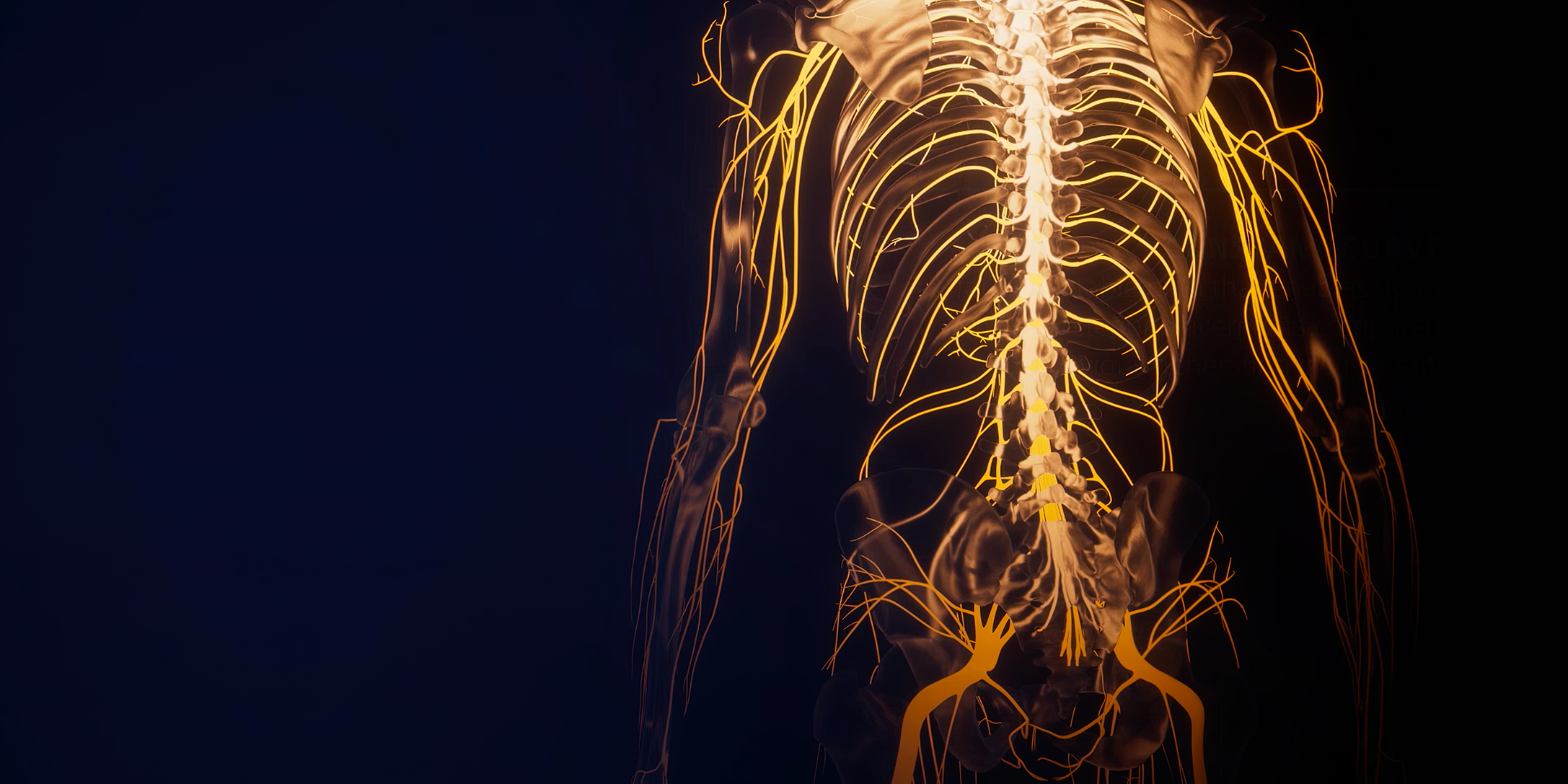
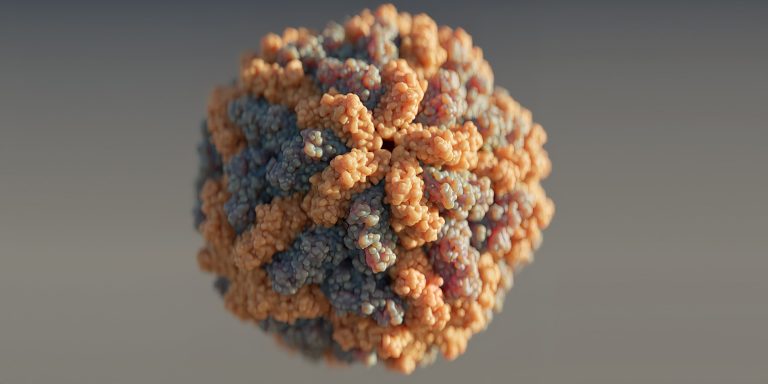
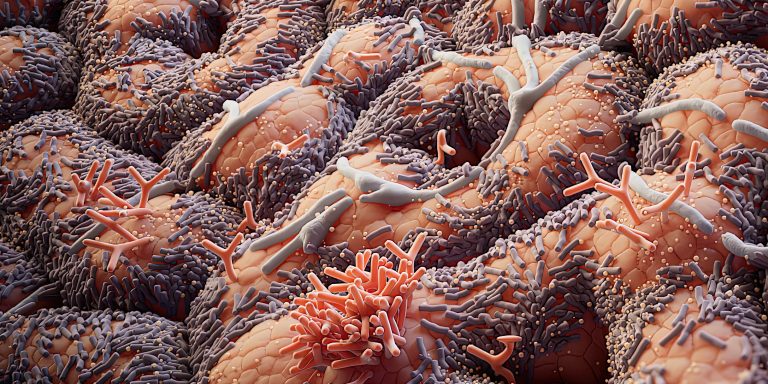
Biology happens in three dimensions. Molecules interact, cells communicate, and biological processes unfold within complex environments. 3D medical animation allows us to move through those environments, change perspectives, reveal hidden structures, and guide the viewer through events that would otherwise be impossible to see.
But here’s the important part: 3D doesn’t have to look 3D.
A Simpler Look, Created in 3D
Sometimes a clean, illustrated style communicates better than photorealism, particularly for patient audiences or when the science is already complex. Hybrid can build a scene entirely in 3D while giving the finished animation a simplified, graphic, 2D-inspired look. This gives us the flexibility and control of 3D while creating something warmer, simpler, and more approachable.
It’s About the Audience
An HCP and a patient may need to understand the same science, but they don’t necessarily need to see it the same way.
HCP animation may benefit from greater scientific detail. Patient animation may call for simpler forms, clearer visual cues, and a more approachable style. The goal isn’t to show everything. It’s to show what matters.
Why Hybrid?
Since 1998, Hybrid Medical Animation has specialized in translating complex medicine and biology into clear visual stories. Our in-house team handles the entire process—from scientific discovery and storyboards through visual development, animation, voiceover, sound, and final delivery.
And because we aren’t tied to one visual style, we can create the approach that best serves your science, your brand, and your audience.